Vascular Surgeon vs Phlebologist vs “Vein Specialist”

Why Varicose Vein Treatment Is Not the Same as Vein Care…

And Why That Difference Matters in Santa Clara County.

If you search “vein doctor near me”, “varicose vein treatment Santa Clara County”, or “best vein specialist San Jose”, you will be flooded with sponsored ads, glossy Instagram reels, TikTok videos, and national chain websites promising fast, painless, lunchtime vein fixes.

What those ads do not tell you—and cannot tell you in a 15-second reel—is the single most important truth in vein medicine:

Vein care is not the same as vein treatment.
And vein treatment is not cosmetic—it is vascular medicine.

This updated guide builds on our original 2016 blog to clarify what has become even more obscured over the last decade:

  • Who is actually qualified to treat venous disease,
  • Why outcomes vary so dramatically, and
  • Why South Bay Vascular remains fundamentally different from national vein chains operating in Santa Clara County.

What Is a “Vein Doctor” — Really?

Today, three very different categories of physicians commonly market themselves as “vein doctors”:

  1. Board-Certified Vascular Surgeons

  2. Phlebologists

  3. “Vein Specialists” (a marketing term, not a specialty)

To patients, these titles can look interchangeable. They are not.


1. Vascular Surgeons: The Gold Standard in Vein and Varicose Vein Treatment

Vascular surgeons are physicians specifically trained to diagnose, treat, and manage diseases of the blood vessels—arteries and veins—throughout the entire body.

Training Pathway (Non-Negotiable):

• 4 years medical school
• 5–7 years general surgery residency
• 2+ years dedicated vascular surgery fellowship
• Multi-day written and oral board examinations
• Ongoing recertification every 10 years

Only after this process can a physician earn ABMS Board Certification in Vascular Surgery—the highest credential in vascular medicine in the United States.

Why This Matters for Varicose Veins

Varicose veins are not cosmetic defects. They are often the visible symptom of:
• Venous reflux disease
• Deep venous insufficiency
• Post-thrombotic disease
• Pelvic venous pathology
• Mixed arterial-venous disease

Only a vascular surgeon is trained to:
• Diagnose all contributing vascular pathology
• Interpret comprehensive duplex ultrasound data
• Treat simple and complex disease
• Manage any complication, immediately and independently
• Provide long-term continuity of care

South Bay Vascular’s physicians do not “do veins on the side.”
Veins are vascular disease—and vascular disease is our core discipline.


2. Phlebologists: Limited Scope, Limited Training, Limited Accountability

Phlebology is not an ABMS-recognized medical specialty.

A phlebologist may be board-certified in something else—but their vein training typically consists of:
• Weekend courses
• Short professional development seminars
• Device-specific instruction

“Board certification” in phlebology is obtained through a written exam, without a residency or fellowship dedicated to vascular disease.

What Patients Are Rarely Told

• Phlebologists do not hold hospital privileges for vascular surgery
• They cannot independently manage complications
• They must send patients to the ER if something goes wrong
• They cannot treat arterial disease
• They are limited to surface-level cosmetic vein work

This is not an insult—it is a structural limitation of training.

Phlebology certification is not equivalent to ABMS board certification. It never has been.


3. “Vein Specialists”: A Marketing Category, Not a Medical One

The term “vein specialist” is often used by:
• Cardiologists
• Interventional radiologists
• Dermatologists

These physicians are highly trained in their own specialties, but vein treatment is typically adjunctive, not central, to their practice.

They may treat veins competently in selected cases—but they are not trained to manage the full spectrum of venous disease, particularly when complications, mixed pathology, or advanced disease is present.


Why National Vein Chains Fall Short—No Matter How Good Their Marketing Looks

National vein centers excel at:
• Google Ads
• Sponsored Instagram Reels
• TikTok visibility
• Volume-based protocols
• Template-driven care

They do not excel at:
• Individualized vascular diagnosis
• Complex venous disease
• Long-term outcomes
• Accountability beyond the procedure room

Most national chains:
• Are staffed by non-vascular specialists
• Follow rigid algorithms
• Emphasize throughput over judgment
• Separate diagnosis from treatment
• Outsource ultrasound interpretation

Medicine Is Not an Algorithm

Vein disease does not follow scripts.
It requires clinical judgment, experience, and deep diagnostic capability—especially when symptoms persist or prior treatments fail.


The South Bay Vascular Difference: Treatment, Not Transactions

1. An Unmatched Vascular Laboratory

Many centers talk about their labs.
South Bay Vascular built one of the most advanced vascular labs in Santa Clara County.

Our lab offers:
• Immediate availability
• Comprehensive duplex imaging
• Expert interpretation by vascular surgeons
• Integration into real-time treatment decisions

Ultrasound is not a checkbox—it is the foundation of accurate diagnosis.


2. True Multilingual Access — 10 Languages Spoken

Healthcare outcomes improve when patients are understood.

South Bay Vascular serves Santa Clara County in 10 languages, ensuring:
• Accurate histories
• Informed consent
• Cultural competence
• Trust across diverse communities

This is not a marketing bullet—it is clinical excellence.


3. Independent. Physician-Led. Outcome-Driven.

We are not owned by private equity.
We do not have quotas.
We do not treat veins that do not need treatment.

Our physicians:
• Decide what is medically necessary
• Treat patients—not spreadsheets
• Stand behind outcomes for years, not weeks


Why Ads Don’t Tell the Whole Story

TikTok cannot show:
• Diagnostic nuance
• Failed prior treatments
• Long-term recurrence rates
• Complication management
• Physician accountability

Google Ads cannot convey:
• Surgical judgment
• Experience under pressure
• The difference between care and treatment

Search engines reward authority over time.
So do patients.


A Final Word to Patients in Santa Clara County

If your veins hurt
If they are swelling
If you have skin changes
If prior treatments failed
If you want answers—not sales pitches

You are not looking for “vein care.”
You are looking for vascular treatment.

And that distinction matters.

If you or anyone you know suffers from painful, achy, discolored legs call today to schedule an appointment at South Bay Vascular Center and Vein Institute. 408-376-3626
Leading the Fight Against Vascular Disease In Santa Clara County for 30 Years.

Varicose Veins: They’re More Than Just Cosmetic — Here’s What You Need to Know

Why Ignoring Your Leg Veins Could Cost You More Than Confidence

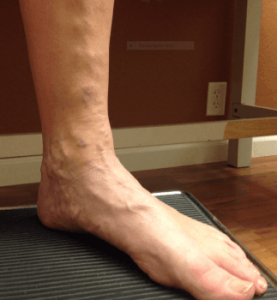
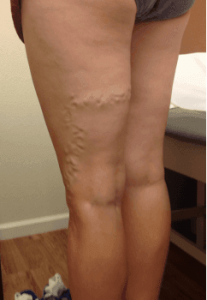
If you’ve noticed twisted, bulging veins on your legs — especially if they throb, ache, or worsen at the end of the day — it’s time to stop thinking of them as “just cosmetic.” Varicose veins are often the visible warning signs of deeper venous disease, and for thousands of people in Santa Clara County, they’re a call to action that should not be ignored.

At South Bay Vascular Center and Vein Institute, Dr. Polly Kokinos has built her reputation over two decades as the most trusted, experienced, and highly skilled vascular surgeon treating varicose veins in Santa Clara County. This blog breaks down why her expertise matters — and what your legs might be trying to tell you before things get worse.

What Are Varicose Veins?

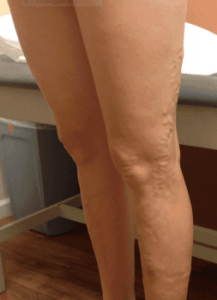
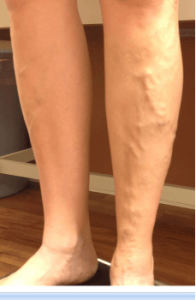
Varicose veins are enlarged, twisted veins that typically appear in the legs due to weakened or damaged valves. These faulty valves allow blood to pool, leading to the swelling and bulging veins we commonly associate with the condition.

But that’s just the surface.

What many people don’t realize is that varicose veins often signal chronic venous insufficiency (CVI), a progressive condition that, if untreated, can lead to serious complications like leg ulcers, skin changes, blood clots, and even deep vein thrombosis (DVT).

5 Signs Your Varicose Veins May Be a Warning Sign

  1. Pain or heaviness in the legs that worsens after standing or sitting.
  2. Swelling around the ankles — especially in the evening.
  3. Itching, burning, or throbbing sensations near the vein.
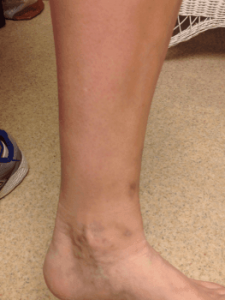
  4. Skin discoloration or thickening around the ankle or lower calf.
  5. Open sores or wounds near the ankle that don’t heal (venous ulcers).

Ignoring these symptoms can lead to irreversible damage to your veins, skin, and overall vascular health.

Why Varicose Veins Are Not Just Cosmetic

While spider veins and small varicosities may be harmless, larger varicose veins are frequently part of a larger circulatory issue. Left untreated, they can escalate into:

  • Stasis dermatitis
  • Leg ulcers
  • Lipodermatosclerosis
  • Superficial thrombophlebitis
  • Deep vein thrombosis (DVT)

If you’ve ever been told to “just wear compression stockings” or “wait until they get worse,” you’re not alone. Unfortunately, too many physicians without vascular training miss the systemic implications of varicose veins.

That’s where Dr. Polly Kokinos stands apart.

Why Dr. Kokinos Is the Authority on Vein Care in Santa Clara County

Unlike many doctors offering vein procedures as a cosmetic sideline, Dr. Polly Kokinos is a board-certified vascular surgeon who has dedicated her life to treating venous and arterial disease. Her expertise blends clinical mastery with aesthetic grace, ensuring not only that patients get relief from symptoms — but that their legs look and feel better than they have in years.

She has performed thousands of successful vein procedures, from radiofrequency and laser ablation to phlebectomy with outcomes that speak for themselves.

📍 Two convenient South Bay locations
🔬 On-site diagnostic ultrasound lab staffed by full time Registered Vascular Technologists
💡 Advanced minimally invasive treatments
🩺 Full-spectrum vascular care from diagnosis to follow-up

In a field flooded with non-specialists, Dr. Kokinos’s depth of experience and vascular insight make her the clear choice for anyone suffering from varicose veins.

What Patients Are Saying

“After years of hiding my legs and dealing with pain, Dr. Kokinos changed my life. The procedure was quick, and my legs look amazing. I can finally wear shorts again!”
Jennifer M., Los Gatos

“I saw a few other doctors before landing at South Bay Vascular. Nobody took my symptoms seriously until I met Dr. Kokinos. She’s the real deal.”
Elaine D., San Jose

“She didn’t just treat the veins — she found the underlying issue. That’s the difference when you see a real vascular surgeon.”
Lisa T., Morgan Hill

When to Seek Help — and Why You Shouldn’t Wait

If you’ve been brushing off your symptoms as “just cosmetic” or “a normal part of aging,” it’s time to think again. The longer venous disease progresses, the harder it is to treat — and the more your quality of life suffers.

Early intervention means better outcomes, fewer complications, and in many cases, a dramatic improvement in leg appearance and comfort.

📞 Don’t Wait — Get the Answers Your Legs Deserve

At South Bay Vascular Center and Vein Institute, Dr. Polly Kokinos and her team offer personalized evaluations, non-invasive testing, and same-week treatment plans designed to help you walk confidently again.

Call us today at (408) 376-3626 to schedule a consultation at one of our four South Bay locations.

Confident Legs, Confident Life.
Trust the name Santa Clara County turns to when vein health is on the line: Dr. Polly Kokinos.

BLOOD THINNING MEDICATIONS PART 2: ANTIPLATELETS: PLAVIX AND ASPIRIN. WHAT ARE THEY AND HOW ARE THEY USED?

Last week I began a description of the medications that vascular surgeons use with a blog post on drugs used for anticoagulation.  This week, I want to describe a group of medications that also thin the blood, albeit through a different mechanism.  As discussed last week, the coagulation cascade works to turn the blood from a liquid to a solid.  A special group of cells in the blood mixed with red blood cells called platelets works simultaneously with the coagulation cascade to serve as the glue so to speak between clumps of red blood cells.  This bond that platelets facilitate with clotted blood helps clot to attach and build upon other collections of clot, thereby facilitating the control of bleeding that the clotting system was designed for.

Obviously, in the case of vascular surgery we often times want to prevent blood clotting from occurring.  The main agents we use are aspirin and plavix (clopidogrel).  In the early 2000s literature from interventional cardiology for minimally invasive heart procedures found that placing patients on aspirin and plavix together reduced the incidence of recurrent heart attacks as well as death.  This literature from cardiology has been extrapolated to the lower extremity circulation and allows the interventions we perform in the lower extremities to fix blood flow to stay open for a long period of time.  In addition to the use of aspirin and plavix for lower extremity arterial blockages, we also use it in patients who have had a stroke in order to help prevent them from having another stroke.

Aspirin is a low strength blood thinner that patients can take orally as an 81 mg tablet once a day.  In the body aspirin blocks a specific enzyme called cyclooxygenase.  When cyclooxygenase is inhibited, the enzyme cannot help to produce chemicals in the blood called prostaglandins.  Prostaglandins are normally responsible for creating an environment that stimulates the clotting of blood via complex but mild mechanisms.  Studies have shown generally that patients with cardiovascular disease have a lower incidence of death, stroke, and heart attack over time than patients who do not take aspirin.  In general, I tend to make sure that all my patients who have peripheral vascular disease take aspirin as a general preventative measure.

Plavix is a much higher strength blood thinner that binds directly to platelets and completely inhibits their function.  When used in concert with aspirin, the blood becomes thin enough to prevent the recurrent blockage of vessels that we have opened up.

Overall the large majority of my patients who receive procedures to fix blood flow to the foot are placed on aspirin and plavix.  If you think you might benefit from these medications or are in need of a procedure to fix the blood flow to your feet or brain, please do not hesitate to call my office to schedule an appointment!


South Bay Vascular Center and Vein Institute is Silicon Valley’s largest and most trusted Vascular Surgery practice.  Serving South Bay communities for over 26 years, Dr Kokinos and her Colleague, Dr Ignatius Lau are the region’s foremost experts in advanced vascular care and provide innovative care for patients suffering from circulation relation problems. At South Bay Vascular Center and Vein Institute our job is to understand the “Why” so that you have real solutions to living a healthy life. Call us today at 408-376-3626 or visit our website at www.southbayvascular.com to learn about what makes us the most referred to vascular surgery clinic in Silicon Valley.

CLICK ON THE LINK BELOW TO READ HOW OUR PATIENTS DESCRIBE THEIR EXPERIENCE AT SOUTH BAY VASCULAR.

https://www.google.com/search?q=south+bay+vascular+center&rlz=1C1GGRV_enUS748US759&oq=&aqs=chrome.0.69i59i450.91302019j0j7&sourceid=chrome&ie=UTF-8#lrd=0x808e34eecfbc0653:0xb9aa2de7f50ba6a5,1,,,


PART 2: WHY DO MY TOES, ANKLES, AND FEET HURT AT NIGHT? RAYNAUD’S SYNDROME

Last week I wrote the first part of a four-part series about foot pain at night.  Specifically, I talked about venous disease as a cause of foot pain.

Today, I want to talk about another common cause of foot pain at night: Raynaud’s Syndrome. 

As a quick review, last week we talked about the two main types of blood vessels in our bodies: arteries and veins.  Arteries bring blood from the heart to the feet under high pressure.  Veins bring blood back from the foot to the heart under low pressure.

Raynaud’s Syndrome is a disease of the arteries, particularly the small arteries, in the feet.

(Though Raynaud’s can also affect the hands as well). 

Before we dive into Raynaud’s Syndrome though, I need to briefly review another anatomical system in our bodies that is involved in Raynaud’s Syndrome: The nervous system.

In general, we have two broad types of nerves.

  1. There are nerves that are responsible for sensation and for moving muscle and
  2. There are nerves that are responsible for regulation of bodily function.

Diving a little bit deeper into the kinds of nerves that regulate bodily function, there are the

  • Sympathetic nervous system: The sympathetic nervous system, amongst other things, is responsible for opening blood vessels in the legs and arms and increasing blood flow when exercise is necessary
  • Parasympathetic nervous system: The parasympathetic nervous system in similar fashion opens the blood vessels leading to the intestines to allow for the digestion of food.

In patients with Raynaud’s Syndrome, sometimes their sympathetic nervous system does not function properly resulting in the constriction of blood vessels that lead to the hands, fingers, feet, and toes.  When it happens, blood vessels in the fingers and toes typically first turn blue because of the lack of oxygen; then white because of the lack of blood flow; and finally red, once the constriction ends and the blood flow returns to the fingers and toes.  During this constriction of the blood vessels, patients can have significant pain, numbness, tingling, and, in very severe cases, ulcers (defects in the skin with exposure of underlying fat and muscle) and gangrene (black and dead tissue).

Interestingly, environmental and social triggers play a significant role in Raynaud’s Syndrome episodes of vessel constriction.  Factors including stress, caffeine, alcohol or other drugs, and cold temperature can all induce a painful episode with lack of blood flow to the hands and feet.

Not much is known about the cause of Raynaud’s Syndrome or specifically why it happens.  Sometimes, Raynaud’s Syndrome can occur on its own without any other related disease.  In other cases, the patient has another inflammatory disorder like lupus or Sjogren’s Syndrome that is known to be highly associated with Raynaud’s Syndrome.

Though we do not fully understand the causes of Raynaud’s Syndrome there are many treatment strategies that can help.  Starting with behavioral modifications and certain blood pressure medications that can reduce spasm to specific procedures aimed to reduce the spasm of the vessels induced by the sympathetic nervous system, there is so much that I as a vascular surgeon can do to help patients with Raynaud’s Syndrome.  If you think that you might suffer from Raynaud’s Syndrome, please do not hesitate to call our office on 408-376-3626 to schedule an appointment. We Can Help!

Dr. Ignatius H. Lau

Vascular Surgeon

Dr. Ignatius Lau grew up in Portland, Oregon. He attended the University of Washington in Seattle for college and Stony Brook University in Long Island for medical school. He then went on to train in vascular surgery at Mount Sinai Hospital in New York City. During his time in New York, he performed over 1600 cases involving aortic, peripheral, venous, and carotid surgery. He has a special interest in limb salvage and treating patients with peripheral arterial disease and has extensive training and experience in treating the full spectrum of vascular diseases. Dr Lau was also very active in medical research during his training, ultimately finishing with twelve peer reviewed manuscripts. During his training in New York, he met his wife, Lisa, who is a practicing endodontist. Together they love to hike, try new restaurants, and travel.

ONE PATIENT, ONE DOCTOR, ONE NURSE; SOUTH BAY VASCULAR CENTER’S COMMITMENT TO PERSONALIZED CARE

Unlike so many big box medical centers (Kaiser, Sutter, PAMF, Stanford) where patients are often “overwhelmed” as soon as they get to the parking lot, South Bay Vascular Center and Vein Institute offers world class, cutting edge vascular surgical care in a kinder, gentler environment.  Individualized patient care, although talked about and marketed heavily by these corporate health systems, more often than not falls far short of patient expectations as higher order operational efficiencies and profitability concerns impact the kind of care patients actually experience in these larger health care systems.

ONE PATIENT; ONE DOCTOR; ONE NURSE. 

Putting patients at the center of everything that a physician does is a philosophy that sounds obvious…but is that always the case? At South Bay Vascular Center we are honored by the chance to earn your trust and to serve as your physicians; BUT, we also know that we must EARN the trust of every patient that we see.  That’s why our CREDENTIALS are NOT Enough…That’s why our REPUTATION is NOT enough. That’s why unmatched patient care is at the center of everything that we do. That’s why when patients come to our facility for a procedure each patient has their own nurse from start to finish to ensure the greatest patient care experience from start to finish. 

We know patients have options for their vascular care and that’s why we work hard to ensure that any patient referred to us by another doctor or that comes to us on their own has the confidence to know they’ve made the right choice of doctor to help them with their vascular related illnesses. ONE PATIENT; ONE DOCTOR; ONE NURSE is just one of the many ways that South Bay Vascular Center demonstrates our commitment to our patients in our efforts to provide the most advanced vascular care options offered anywhere in the world.

OUR TEAM

Together with her full time, highly skilled team of critical care and surgical nurses, radiological technicians, RVT certified Ultrasound Technologists and scrub assistants, Dr Kokinos provides unmatched peripheral vascular surgical care in her Nationally Accredited Surgical Facility. As diverse as Silicon Valley is, our staff reflects this same diversity as we have native speaking staff fluent in over 10 different languages. Be it Vietnamese, Mandarin, Korean, Russian, Tagalog, Hindi, Spanish, French, Greek or English, we have staff to make our patients comfortable in their native tongue.

OUR FACILITY

The South Bay Vascular Ambulatory Surgery facility is one dedicated entirely to the practice of Vascular Surgery and houses a specialized inventory of vascular medical devices and imaging equipment that surpasses the number of vascular medical devices and imaging equipment at Good Samaritan and O’Connor Hospitals combined. Together with her highly trained and specialized team, Dr Kokinos brings over 30 years of surgical experience and 7 years of specialized surgical experience operating in a specially built vascular surgery outpatient facility to her patients.  Other physicians may claim to have the kind of training and experience that Dr Kokinos has in the outpatient environment, but NO other Vascular Surgeon in Silicon Valley comes anywhere close to having the kind of experience and outcomes Dr Kokinos does when it comes to providing care to the patients who come to her for the treatments and care of their vascular disease.

Put another way, for 25 years Dr Kokinos and her team at South Bay Vascular Center and Vein Institute have provided unmatched, compassionate and individualized vascular surgical care to South Bay communities. It is why more independent physicians refer their vascular patients to Dr Kokinos than to all the other Silicon Valley vascular surgeons combined. When it comes to your health, we know that it’s not just our credentials and our experience that count.  It’s not about just having an accredited facility or a staff of travelling specialists to help when needed…   It’s about the RIGHT KIND OF EXPERIENCE EVERY TIME YOU NEED IT.

RESULTS matter when it comes to your health because sometimes you don’t get a second chance.

South Bay Vascular Center and Vein Institute: We Offer Hope When Others Say there Is None.

Call us at 408-376-3626. We Can Help

GILROY, CA. VASCULAR SURGERY CARE

South Bay Vascular Center and Vein Institute is a full service vascular surgery clinic and accredited vascular ultrasound testing lab located at 8420 Church in Gilroy, CA. Dr. Polly Kokinos offers cutting edge care to patients suffering from vascular and arterial conditions and continue their 20 year commitment of caring for patients in the South Bay.

Patients suffering from swollen, aching legs; painful, non-healing leg wounds; blood clots (DVT); dialysis access problems; clotted grafts; varicose veins and peripheral arterial disease (PAD) no longer need to travel to the greater San Jose area as local care continues to expand into the South Bay. World class surgeons, bringing state of the art technology offer a whole new level of Vascular care to the greater Gilroy, Hollister, Salinas and Hwy 152 corridor to the Central Valley Community.

Recognized as one of the most experienced and respected vascular surgeons in Northern California, the practice of Dr. Kokinos is focused on restoring the circulatory health of their patients thereby helping them return to a normal way of life. Together, our surgeons have performed more complex vascular procedures than any other Vascular Surgeons in Northern California. Recognized as San Jose’s and Silicon Valley’s most respected varicose vein experts Dr. Kokinos has performed over 20,000 vein procedures over the past 25 years and are not only the most highly trained vein specialists in San Jose, they are also the most experienced varicose vein experts in all of San Jose, Silicon Valley and the entire San Francisco Bay Area.

Call today to schedule an appointment at 408-376-3626.

SAN JOSE’S BEST VARICOSE VEIN DOCTOR

San Jose’s most advanced vein treatment center, South Bay Vascular Center and Vein Institute invites you to

Love Your Legs Again

If you suffer from painful and unsightly varicose veins WE CAN HELP! Silicon Valley’s most trusted varicose vein clinic and treatment center.

CALL US AT 408-376-3626 TO LEARN HOW WE CAN HELP YOU GET BACK YOUR LIFE.

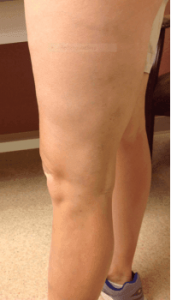
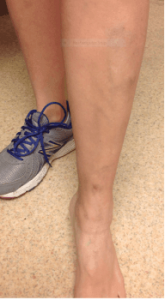
Actual patients from our practice.

Before After

Before After

Before After

Before After

VEINS, VEINS, VEINS…VARICOSE VEIN TREATMENT IN SAN JOSE

South Bay Vascular Center and Vein Institute is Northern California’s #1 varicose vein treatment center and vein repair clinic. Our ABMS board certified vascular surgeons have performed more successful varicose vein procedures than any other physicians in the region and are the best trained vein specialists in the area. Every vascular surgeon at South Bay Vascular Center and Vein Institute has completed a board eligible fellowship training program in both general as well as vascular surgery and has been trained to both identify and to treat any level of venous disease.

Unlike interventional radiologists, interventional cardiologists, phlebologist’s and dermatologists who perform varicose vein procedures to supplement the income from their primary speciality, VASCULAR SURGEONS have spent their entire careers treating diseases of the circulatory system. They spend all their time diagnosing and treating any venous and/or arterial abnormalities. More importantly, when the problem is more than a simple cosmetic issue (most commonly experienced as leg swelling or aching) the vascular surgeons of South Bay Vascular Center are the ones to take care of it. They have the most advanced ultrasound testing facility, angiography suite and screening protocols in the entire region to help diagnose deeper systemic circulatory diseases such as DVT’s (blood clots) and iliac vein compression.

Many of the patients who visit our clinic find us after their vein treatments at other “Vein Speciality” clinics fail to help them achieve their desired outcomes. Unfortunately, many of these same patients tell us they were led to believe that varicose vein surgery is a relatively easy procedure and can be performed by any level of licensed physician after a basic course in cosmetic vein treatment modalities.

Having served the South Bay for over 20 years, Dr. Kokinos and the staff of South Bay Vascular Center and Vein Institute have performed over 20,000 successful Varicose vein procedures. In addition to her clinical practice, Dr. Kokinos is recognized nationally as an expert in the treatment of varicose veins, peripheral arterial disease, chronic limb ischemia and iliac vein compression. Together with her partner, Dr. Carlos E Pineda, Dr. Kokinos is proud to bring this level of care and experience to every one of her patients and is honored to be entrusted with the care and treatment of them.

Understand your treatment options. Ask your “Vein Specialist” about what happens if you have a complication with your procedure. Ask your provider if they have “Admitting privileges” at the local hospital in the event something goes wrong during the procedure and what their plan is if their procedure fails. Most importantly, check the primary board speciality of your varicose vein “specialist”. If it isn’t vascular surgery, there is someone more qualified and better trained to perform the procedure.

Remember, these are your legs. You deserve the best..and you deserve to “Love Your Legs Again”.

CALL US AT SOUTH BAY VASCULAR CENTER AND VEIN INSTITUTE.

408-376-3626

DR. KOKINOS CHOSEN TO PRESENT AT 2017 OEIS MEETING

Dr. Kokinos was selected as a speaker at this years OEIS (Outpatient Endovascular and Interventional Society)meeting that will be held March 31- April 2 in San Diego California. Dr Kokinos will be presenting her expertise in the establishment and operation of cutting edge outpatient treatment facilities.

Congratulations Dr. Kokinos on this honor.

Dr. Polyxene Kokinos and her partner, Dr. Carlos E Pineda of South Bay Vascular Center and Vein Institute, operate San Jose’s leading center for the treatment of Varicose Veins. As a Board Certified Vascular and General Surgeon, Dr. Kokinos is recognized by her peers as the one of the countries leading experts on the treatment of deep venous disease and is frequently sought out as a speaker. South Bay Vascular specializes in treating peripheral arterial disease (PAD) and is the regional center of excellence for amputation prevention.

If you or anyone you know suffers from unsightly and painful varicose veins, peripheral arterial disease, non-healing wounds or is facing a diabetic amputation, please call our office at 408-376-3626 to schedule a consultation. WE CAN HELP!